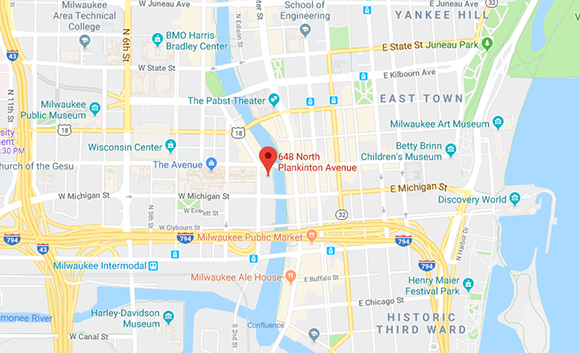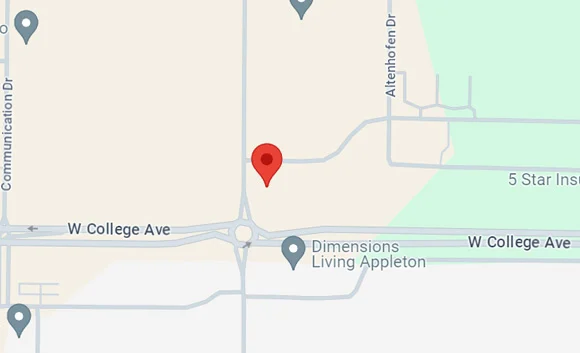
 Lindner Law handles a wide range of personal injury cases across Milwaukee County and surrounding areas. Whether you suffered a serious injury in a car accident on I-94, a slip and fall at a commercial property on Wisconsin Avenue, or a workplace accident in the Menomonee Valley industrial corridor, we’re here to help.
Our attorneys handle cases involving:
- Motor vehicle accidents, including car, truck, and motorcycle crashes
- Slip and fall and premises liability incidents
- Dog bites and animal attacks
- Wrongful death claims
- Pedestrian and bicycle accidents
- Rideshare accidents
If you’re unsure whether your situation qualifies, call us. A free consultation costs you nothing, and it may be the most important call you make.
 A personal injury claim exists when someone else’s negligence caused your injury and you suffered real harm because of it. If those two elements are present, you likely have grounds to pursue compensation. The only way to know for certain is to have an attorney review the specific facts of your situation.
Wisconsin law requires four things to establish a valid personal injury claim:
- Someone owed you a duty of care. Examples: a driver must obey traffic laws, a property owner must maintain safe conditions
- That person or business breached that duty through careless or reckless conduct
- Their breach directly caused your injury, not a pre-existing condition, not coincidence
- You suffered measurable harm, whether physical injury, financial loss, or both
One thing that trips people up is assuming their injuries have to be catastrophic to qualify. That’s not true. Soft tissue injuries, fractures, concussions, and chronic pain all count, as long as they’re documented and tied to someone else’s negligence.
Another common concern is partial fault. Many people assume that because they played some role in an accident, they can’t recover anything. Under Wisconsin’s comparative negligence rule, that’s not how it works. As long as your share of fault is 50% or less, you can still recover compensation.
If you’re unsure whether what happened to you qualifies, the answer isn’t to guess. Call Lindner Law at (414) 271-5300 for a free consultation. We’ll listen, ask the right questions, and give you a straight answer.
Compensation in a personal injury case, called damages, typically falls into two categories: economic and non-economic.
Economic damages cover your measurable financial losses. They often include:
- Medical bills, past and future
- Lost wages and reduced earning capacity
- Rehabilitation and therapy costs
- Out-of-pocket expenses tied to your injury
 Non-economic damages address the harder-to-quantify effects of your injury on your everyday life. They may cover:
- Pain and suffering
- Emotional distress
- Loss of enjoyment of life.
In cases involving extreme recklessness, a court may also award punitive damages. Those are meant to punish the at-fault party, not just compensate you.
Every case is different. The value of yours depends on factors like the severity of your injuries, the strength of the evidence, and whether the at-fault party carries adequate insurance. We’ll walk you through realistic expectations from the start.
Medical care does two things after an accident: it protects your health, and it protects your claim. Skipping or delaying treatment can hurt both.
Why Prompt Treatment Matters
Some injuries don’t announce themselves right away. Concussions, internal injuries, and soft tissue damage can take hours or days to fully surface. Getting evaluated quickly creates a medical record tied directly to the date of your accident — something an insurance company can’t easily dismiss.
Gaps in Care Give Insurers an Opening
 If you wait weeks to see a doctor, or stop treatment before your provider clears you, the insurance company will use that against you. They’ll argue your injuries weren’t serious, or that something else caused them. Consistent, documented care removes that argument.
Where to Get Treatment in Milwaukee
Milwaukee has strong options for injury-related care. Froedtert Hospital and Aurora St. Luke’s Medical Center handle serious trauma and complex injuries. For moderate injuries, Advocate Aurora Immediate Care and Concentra Urgent Care offer prompt evaluation and thorough documentation. Children’s Wisconsin serves younger patients who’ve been hurt.
Keep Every Record You Receive
Hold onto every bill, diagnosis, referral, prescription, and provider note you receive. These documents become the foundation of your damages calculation. The more complete your records, the stronger our ability to demand full and fair compensation on your behalf.
After an injury, the path forward can feel unclear. Here’s what the process actually looks like when you work with Lindner Law.
Step 1: Get Medical Care and Document Everything
Your health comes first. Seek treatment right away and follow your doctor’s recommendations consistently. Every appointment, diagnosis, and bill creates a paper trail that supports your claim. Gaps in treatment give insurance companies room to argue your injuries weren’t serious.
Step 2: We Investigate Your Case
 Once you retain us, our team gets to work. We gather evidence, review police and incident reports, interview witnesses, and consult professionals when needed to establish exactly what happened and who was responsible.
Step 3: We Calculate Your Full Damages
We wait until your medical condition stabilizes before calculating damages. That way, we account for future medical costs, ongoing lost income, and long-term effects on your quality of life — not just the bills you’ve received so far.
Step 4: We Negotiate with the Insurance Company
We submit a formal demand to the at-fault party’s insurer and handle all negotiations on your behalf. Insurance adjusters work to minimize payouts. We work to maximize yours. Most cases resolve at this stage through a fair settlement.
Step 5: We Take It to Court If Necessary
If the insurance company won’t offer fair compensation, we file a lawsuit and take your case to trial. We prepare every case as if it will go before a jury — and that preparation strengthens our position at every stage before we ever get there.
Choosing the right attorney after a serious injury is one of the most consequential decisions you’ll make. Here’s what sets Lindner Law apart.
Decades of Experience in Wisconsin Courts
Lindner Law has been representing injured clients in Milwaukee and across Wisconsin for more than 45 years. We know the local courts, we know the judges, and we know the opposing counsel you’re likely to face in Milwaukee County. That familiarity translates into sharper strategy and fewer surprises for you.
You Know Who’s Handling Your Case
 At some firms, your file gets passed down the line the moment you sign. That doesn’t happen here. When you work with Lindner Law, you have direct access to your attorney. You get honest updates, real answers, and a team that stays engaged with your case from start to finish.
We’re Trial-Ready
Many personal injury firms settle quickly because they aren’t prepared or willing to go to court. We prepare every case as if it will go before a jury. That posture puts pressure on insurance companies to negotiate fairly, because they know we won’t back down if they don’t.
We Know How Insurance Companies Operate
Insurance carriers have experienced legal teams working to protect their bottom line. Our attorneys are skilled at countering the tactics adjusters use to shift blame, minimize injuries, and reduce payouts. We’ve seen their playbook, and we know how to respond effectively.
No Fees Unless We Recover Damages
We work on a contingency fee basis. That means you pay nothing upfront and nothing out of pocket throughout the process. Our fee comes as a percentage of the compensation we recover for you. If we don’t win, you owe us nothing.
Contact Lindner Law Now
 Recovering from a serious injury is hard enough without worrying about legal deadlines, insurance tactics, and whether someone is actually in your corner. At Lindner Law, we are in your corner from the first call to the final resolution.
If someone else’s negligence left you injured, don’t wait. Wisconsin’s statute of limitations limits how long you have to take legal action, and evidence doesn’t wait around either. The sooner you reach out, the stronger your position.
Contact us today at (414) 271-5300 for a free, no-obligation consultation. We work on contingency. You pay nothing unless we recover compensation for you. Let’s talk about what happened, what you’re owed, and how we can help you move forward.