What are motorcycle helmet laws in Wisconsin?
Wisconsin requires a motorcycle helmet only for riders under 18, riders with an instructional permit, and passengers under 18.
- Licensed adult riders and adult passengers can legally choose to ride without a helmet.
- Every rider must wear eye protection, such as a face shield, glasses, or goggles, unless the motorcycle has a windshield that meets state rules.
- A required helmet must meet the federal safety standard (FMVSS 218), and the chin strap must be fastened.
If an adult rider was not required to wear a helmet, not wearing one cannot reduce the money they recover after a crash caused by someone else.
The Wisconsin motorcycle helmet law is a partial law: most adult riders can legally choose whether to wear a helmet. What many riders do not realize is that Wisconsin also limits how that choice can be used against them after a crash.
Injured riders are often told by an insurance adjuster that their claim was weak because they were not wearing a helmet. For most adult riders in Wisconsin, that is not how the law works. A Wisconsin motorcycle accident lawyer can answer your questions during a free consultation and advocate for you to help you obtain the best possible outcome.
Key Takeaways
These are the points most riders want to know first:
- Wisconsin only requires helmets for riders under 18, riders with an instructional permit, and passengers under 18.
- For an adult rider who was not required to wear a helmet, not wearing one cannot reduce the compensation owed after a crash caused by someone else.
- Evidence about whether an adult rider wore a helmet generally cannot even be shown to a Wisconsin jury.
- Riders who were legally required to wear a helmet are treated differently, and not wearing one can be raised against them.
- Fault for how the crash happened is still judged under Wisconsin's comparative negligence rules.
What Wisconsin's Helmet Law Requires
Under Wis. Stat. § 347.485, a person may not operate or ride a motorcycle on a highway without an approved helmet, with the chin strap fastened, if that person is under 18 or holds a motorcycle instructional permit. A rider also may not carry a passenger under 18 unless the passenger is wearing a helmet. The helmet must meet the federal motorcycle helmet standard.
Every rider, regardless of age, must also wear eye protection, such as a face shield attached to the helmet, glasses, or goggles, unless the motorcycle is equipped with a windshield that meets the statute's requirements.
Everyone else, meaning licensed adult operators and adult passengers, is free to ride without a helmet under Wisconsin law.
Does Not Wearing a Helmet Reduce Your Injury Claim?
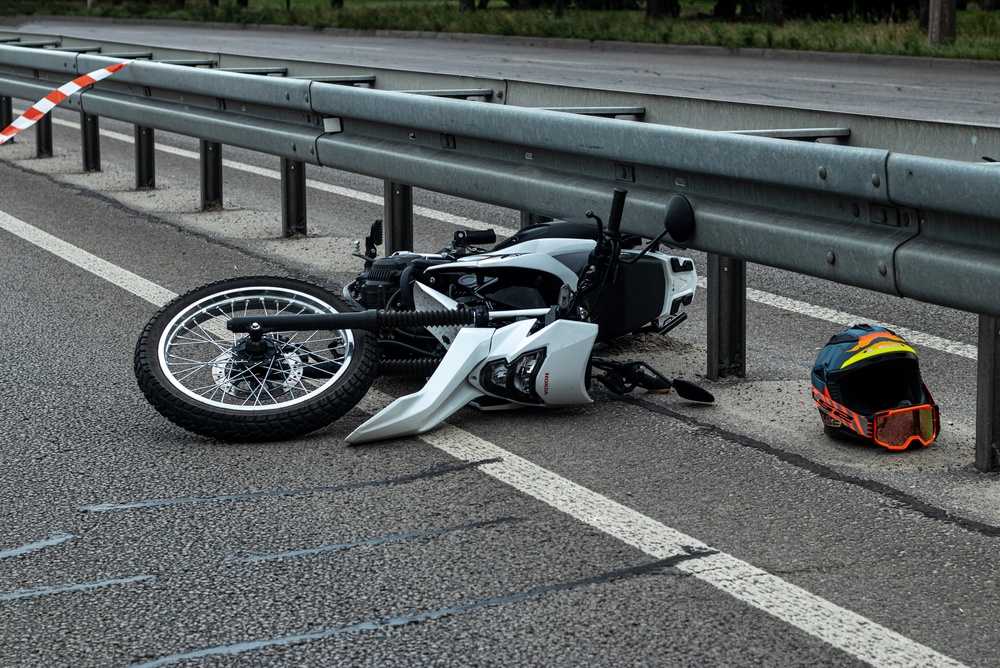
For most adult riders, no. Wisconsin law provides that when a person who was not required to wear a helmet operates or rides on a motorcycle without one, that failure shall not reduce recovery for injuries or damages in a civil action. A companion rule makes evidence about helmet use or nonuse by those riders inadmissible in civil cases for personal injury.
In practical terms, if a driver turns left in front of you on Capitol Drive and you suffer a head injury while riding without a helmet, the driver's insurer cannot legally reduce what it owes you because you chose not to wear one. The jury generally will not even hear about it.
How This Rule Came About
Wisconsin did not always work this way. In 2002, in a case called Stehlik v. Rhoads, the Wisconsin Supreme Court allowed juries to consider "helmet negligence," meaning whether an injured rider's failure to wear a helmet made the injuries worse, and to reduce damages accordingly.
Wisconsin's civil jury instruction on protective headgear explains that the legislature responded with 2003 Wisconsin Act 148, which overrode that approach for riders who were not required to wear helmets. The change applies to actions commenced on or after March 30, 2004, and later amendments extended the same protection to utility terrain vehicles.
The rule covers motorcycles, all-terrain vehicles, utility terrain vehicles, and snowmobiles, whether the crash happens on or off a highway.
The Exception: Riders Who Were Required to Wear a Helmet
The protection does not apply to riders who were legally required to wear a helmet at the time of the crash. That group includes:
- Riders under 18
- Riders operating on a motorcycle instructional permit
- Passengers under 18
For these riders, the older "helmet negligence" analysis can still come into play. A jury may first decide who caused the crash and then separately consider whether the failure to wear a required helmet contributed to the head injuries. The result can reduce the damages tied to those injuries.
That does not mean a young rider or permit holder without a helmet has no claim. The at-fault driver is still responsible for the crash, and many injuries, such as broken legs, spinal injuries, and road rash, have nothing to do with a helmet. The helmet question usually matters only for injuries to the head, and even then the insurer generally has to show that a helmet would have made a difference. Medical and biomechanical evidence often decide that issue.
How Insurers Still Use the Helmet Question
Even though the law protects most adult riders, the helmet often comes up anyway. An adjuster may ask about it in a recorded statement, mention it when explaining a low offer, or suggest that a jury would not be sympathetic. Those tactics are aimed at making you doubt your claim before you learn what the law actually says.
If you are an adult rider who was not required to wear a helmet, you do not need to accept a reduction on that basis. It is also wise to be cautious about recorded statements generally, since they can be used to argue other points, such as your speed or position in the lane.
Fault for the Crash Still Matters
The helmet rule answers one question: whether helmet use can reduce your recovery. It does not change how fault for the crash itself is decided. Under Wisconsin's comparative negligence statute, a rider can recover as long as the rider's negligence is not greater than the negligence of the driver being pursued, and the recovery is reduced by the rider's share of fault.
Suppose a jury values a rider's damages at $200,000 and finds that the rider was 20% at fault for traveling above the speed limit when a driver pulled out from a side street. The rider would recover $160,000. If the jury instead found the rider more at fault than the driver, the rider would recover nothing from that driver.
This is also where motorcycle claims differ from car claims. When a car occupant does not wear a seat belt, Wisconsin allows that to reduce recovery for the related injuries by up to 15%. There is no similar reduction for adult riders who choose not to wear helmets.
Why Helmets Still Matter for Your Safety
The law protects your claim, but a helmet protects your life. The National Highway Traffic Safety Administration estimates that helmets are 37% effective in preventing fatal injuries to motorcycle riders and 41% effective for passengers. Put another way, in crashes where riders without helmets are killed, roughly a third of them might have survived with one.
Helmets do not prevent every brain injury. Riders wearing helmets still suffer concussions and more serious traumatic brain injuries, which is one reason head injuries are a focus of our practice. Symptoms like memory problems, headaches, irritability, and trouble concentrating may develop over days, and they deserve careful evaluation whether or not you were wearing a helmet.
Proving a Head Injury When the Helmet Is an Issue
Whether or not a rider wore a helmet, head injuries are often the hardest part of a motorcycle claim to prove. Many traumatic brain injuries do not show up on a CT scan or MRI, especially mild ones, and insurers use normal imaging to argue that the rider is fine. In practice, head injury claims are built from several kinds of evidence working together:
- Emergency room and treating physician records noting loss of consciousness, confusion, or memory gaps at the scene
- Neurological and neuropsychological testing that measures memory, attention, and processing speed
- Statements from family members, coworkers, and friends describing changes in personality, mood, or daily functioning
- The rider's helmet, if one was worn, which can show where and how hard the head was struck
No single piece usually decides a brain injury claim on its own; the strength comes from how the pieces fit together.
For riders who were required to wear a helmet, this evidence does double duty. It shows the full extent of the injury, and it helps answer whether a helmet would actually have prevented it. Many serious brain injuries come from rotational forces and violent deceleration, which a helmet reduces but does not eliminate.
What This Means for Passengers
Adult passengers have the same choice, and the same protection, as adult operators. A passenger over 18 who was not wearing a helmet generally cannot have recovery reduced on that basis. Passengers under 18 must wear a helmet, and the operator is responsible for making sure they do.
Passengers are rarely at fault for a crash, so their claims usually focus on which insurance policies apply: the other driver's policy, the operator's policy, or both. When a friend or family member was operating the motorcycle, a claim against that person is typically a claim against the person's insurance.
Frequently Asked Questions
These questions come up often when riders and families learn how the helmet law works.
What kind of helmet is legal in Wisconsin?
A helmet worn to satisfy Wisconsin's helmet law must meet the federal motorcycle helmet standard, Federal Motor Vehicle Safety Standard 218, and the chin strap must be properly fastened. Helmets meeting that standard typically carry a DOT label. Wisconsin law also prohibits selling motorcycle helmets for road use that do not meet the standard.
Can an adult get a ticket for riding without a helmet in Wisconsin?
No, a licensed adult rider in Wisconsin cannot be ticketed simply for riding without a helmet, because the helmet requirement applies only to riders under 18, instructional permit holders, and passengers under 18. Adults can be cited for riding without the required eye protection on a motorcycle without a qualifying windshield.
Can an insurance company deny my claim because I wasn't wearing a helmet?
An insurer cannot lawfully reduce a Wisconsin adult rider's recovery because the rider was not wearing a helmet, as long as the rider was not legally required to wear one. The insurer may still dispute fault for the crash or the extent of the injuries. If an adjuster cites the helmet as the reason for a low offer, it is worth getting legal advice before you respond.
Does the helmet rule apply to ATV, UTV, and snowmobile riders?
Yes, Wisconsin's rule that helmet nonuse cannot reduce recovery applies to all-terrain vehicles, utility terrain vehicles, and snowmobiles, as well as motorcycles, whether on or off a highway. The rule does not protect riders who were legally required to wear a helmet under the laws governing those vehicles, which include age-based requirements for younger operators and passengers.
Should I keep my helmet after a motorcycle crash?
Yes, keep your helmet and other riding gear exactly as they are after a Wisconsin motorcycle crash, without cleaning or repairing them. Damage to the helmet can help show the direction and force of the impact, which may matter in proving how the crash happened or explaining a head injury. Store the gear somewhere safe and photograph it.
Talk to a Motorcycle Accident Attorney About Your Claim
If you were hurt in a motorcycle crash and the helmet question is being used to pressure you, a conversation with a Milwaukee motorcycle accident attorney can clear up what the law allows. Our Milwaukee office holds a 4.9-star rating across 400+ Google reviews, and you will speak directly with the attorneys who handle your case.
Call Lindner Law, LLC at (414) 271-5300, day or night, for a free consultation. We represent riders from our offices in Milwaukee and Appleton and throughout Wisconsin.
The information in this article is general and is not legal advice. Reading it does not create an attorney-client relationship. Results depend on the specific facts of each case.