When a drunk driver leaves a Wisconsin bar and causes a serious crash, the driver isn't always the only party who can be held responsible. In certain situations, the establishment or social host that provided the alcohol may share legal responsibility for the harm that follows. At Lindner Law, LLC, we look at every source of accountability in serious drunk driving cases, and third-party recovery under dram shop laws Wisconsin recognizes can add a meaningful layer of compensation.
Key Takeaways
- Wisconsin's dram shop rule generally shields alcohol providers from civil liability, with one narrow exception built around service to people under 21.
- Bars, restaurants, and social hosts can face a claim when they knew or should have known the person served was underage and the alcohol was a substantial factor in causing the crash.
- Third-party claims matter most when the drunk driver's insurance is inadequate for a serious wreck.
- Evidence must be gathered quickly, since surveillance video, receipts, and staff records are often subject to short retention windows.
- A personal injury dram shop claim carries a three-year deadline in Wisconsin, while a wrongful death claim arising from a motor vehicle crash carries two years.
What Is Dram Shop Liability?
Dram shop liability is a legal theory that lets an injured person recover from the business or individual who supplied alcohol to a drunk driver, not only from the driver. Most states adopted some version of the concept during the twentieth century, but they defined it very differently.
State approaches range from broad responsibility for overservice to strong limits on civil claims, and Wisconsin falls on the restrictive side. The dram shop laws Wisconsin follows sit in the state's alcohol beverage code.
How Wisconsin's Dram Shop Statute Works
Under Wis. Stat. § 125.035, the starting point of the statute is broad immunity, with a narrow but powerful exception. Most states approach the issue in the opposite way, which is why so many out-of-state legal write-ups get Wisconsin dram shop questions wrong.
The General Immunity Rule
Under the general rule, the following parties are typically shielded from civil liability when an adult drinker later causes a drunk driving crash:
- Licensed bars, taverns, and nightclubs
- Restaurants that serve alcohol with meals
- Liquor stores selling packaged alcohol
- Private social hosts and employers serving adult guests
The general shield reflects a policy choice by the Wisconsin Legislature: the adult drinker who then drives is treated as the party who caused the harm, not the party who served the drink. A bar liability drunk driving claim in Wisconsin therefore cannot rest on the fact that an adult driver was overserved and later caused a wreck.
The Exception for Serving Underage Drinkers
The exception applies when the provider knew or should have known that the person served was under 21, and the alcohol provided was a substantial factor in causing the injury. Both elements come from Wis. Stat. § 125.035(4)(b), and neither one requires proof that the service was deliberate. A provider who ignored obvious signs of age can meet the standard as readily as one who served a minor on purpose.
Can You Sue a Bar in Wisconsin After a Drunk Driving Crash?
Yes, you can sue a bar in Wisconsin after a drunk driving wreck, but only in specific situations that fit the narrow statutory exception, the same threshold question people ask when wondering do I have a personal injury claim in the first place The prohibition behind the civil rule is Wis. Stat. § 125.07, which makes it illegal to sell or give alcohol to any person under 21 or to any person who is already intoxicated.
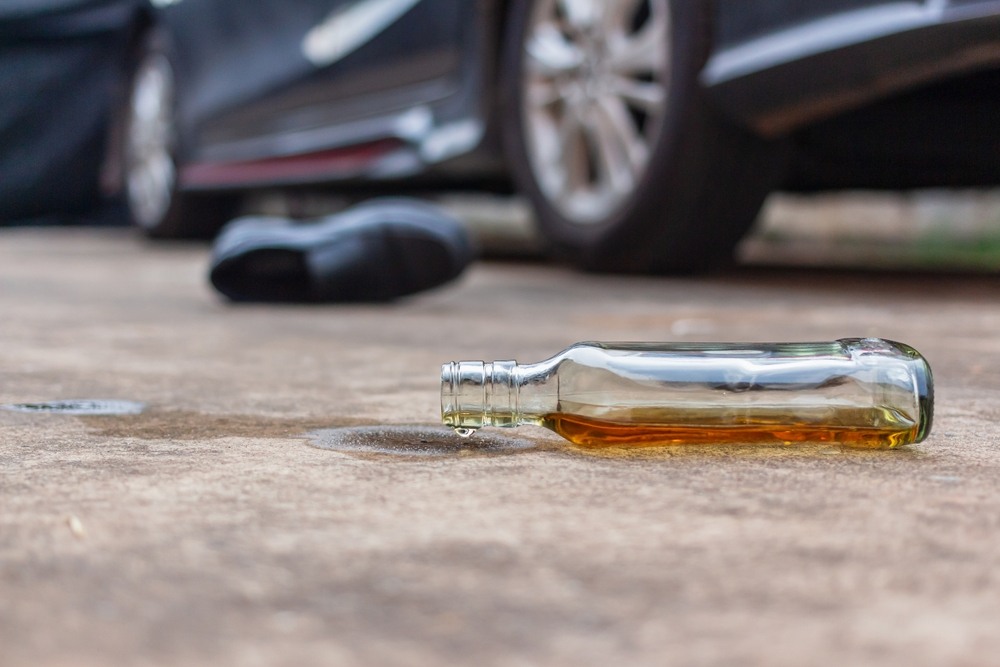
Serving intoxicated person liability in Wisconsin is a regulatory matter rather than a civil one when the drinker is an adult. The same records still create the trail our team follows, but civil recovery stays limited to the underage exception.
Suing the Establishment Directly
When a Milwaukee bar serves a 19-year-old it knew or should have known was underage, an injured person may have a claim against the establishment as well as the driver. Liability may reach the bartender, server, owner, or other responsible business entities.
Suing a Social Host Who Provided Alcohol to a Minor
The same exception reaches beyond commercial establishments. A parent who hosts a graduation party and provides alcohol to their teenager's friends can face a dram shop claim if one of those minors then causes a fatal crash on the drive home. Homeowner's insurance sometimes covers that exposure, which matters when a private host lacks assets to satisfy a judgment.
Can Multiple Bars Share Responsibility for a Drunk Driving Accident?
Yes. Multiple establishments may share liability when each served an underage person, with fault divided according to each party's contribution. A third-party liability drunk driving accident claim can reach several providers when the driver drank at multiple locations.
The typical shared-responsibility patterns our team investigates include:
- The bar-crawl pattern: An underage patron drinks at three bars in one night, each failing to check ID or accepting the same fake.
- The pregame pattern: A minor drinks at a house party, then continues at a nightclub with no valid ID check.
- The event pattern: An open bar at a wedding or graduation serves underage guests, who keep drinking at an after-party.
The goal in each is to find every point where a licensee or social host violated the underage-service rule, which expands the insurance available.
Wisconsin's modified comparative negligence rule, Wis. Stat. § 895.045, carries more weight here than in a single-defendant case. Under what is known as the 51 percent bar, an injured person recovers nothing from a party they were more at fault than, and that comparison is made against each defendant separately rather than against the defendants as a group. Someone 40 percent at fault can still recover from a provider found 60 percent responsible, with the award reduced by that 40 percent.
Why Wisconsin Dram Shop Claims Are So Difficult to Prove
The dram shop laws Wisconsin courts enforce require proof that the provider knew or should have known the customer was underage, not simply proof that the customer turned out to be underage. An establishment keeps its immunity only if the minor claimed to be of legal age, produced documentation supporting that claim, the establishment relied on it in good faith, and the minor's appearance would lead a reasonable person to the same conclusion. All four conditions have to hold together, which is why a passing glance at a weak fake ID rarely protects a bar.
The injured person also has to show that the alcohol provided was a substantial factor in causing the harm. That is a separate element from the age question, and a provider who poured one drink for a minor who had been drinking elsewhere all evening will contest it.
A Wisconsin dram shop claim depends on evidence that disappears quickly. Surveillance footage is overwritten, receipts are discarded under retention policies, and employees leave or forget. Preserving video, transaction records, and witness accounts within weeks of the crash is what keeps that proof available.
What Evidence Matters in a Bar Liability Investigation?
The strongest evidence in a bar liability claim shows what the establishment knew about the customer's age when alcohol was served. The categories of evidence our team pursues in a Wisconsin dram shop case include:
- Point-of-sale and credit card records tied to the underage patron
- Surveillance video from the interior, exterior, parking lot, and neighboring businesses
- Door ID scanner logs and shift scheduling records for the servers on duty
- Written statements from other patrons who were present
- Social media posts, photos, and check-ins by the underage patron
- Toxicology and blood alcohol testing records, the police report on the OWI charge, which is what Wisconsin calls drunk driving, and any body-camera footage
The pattern across sources is what a jury weighs. A single receipt is rarely enough, but a receipt paired with door video, a server statement, and photos of the patron drinking is a different matter.
Damages Available Under Wisconsin's Dram Shop Law
Wisconsin dram shop claims generally allow the same categories of compensation available in other serious personal injury cases, including economic and non-economic damages, with additional wrongful death recovery when the crash is fatal.
Economic Damages
Economic damages are the out-of-pocket and calculable losses that flow from the crash. These regularly include:
- Medical expenses and future healthcare costs
- Lost wages and long-term loss of earning capacity
- Property damage to the vehicle
- Household services during recovery
Documenting these expenses and projecting future losses keeps high costs from being overlooked during settlement negotiations.
Non-Economic Damages
Non-economic damages cover the human cost of the crash. These encompass the following:
- Physical pain and suffering
- Emotional distress and anxiety tied to the crash
- Loss of enjoyment of life
- Scarring, disfigurement, and permanent limitation
- Loss of consortium, meaning the companionship, affection, and household support a spouse or close family member loses
These losses are demonstrated through medical records, personal journals, and testimony from family members.
Wrongful Death Recovery in Fatal Dram Shop Cases
When a drunk driving crash caused by an underage drinker turns fatal, family recovery is governed by Wis. Stat. § 895.04, Wisconsin's wrongful death statute. Compensation covers loss of society and companionship, loss of financial support, funeral and burial costs, and any pain and suffering the person endured before death. A wrongful death claim arising from a motor vehicle crash must be brought within two years under Wis. Stat. § 893.54, not the three years that applies to a personal injury claim.
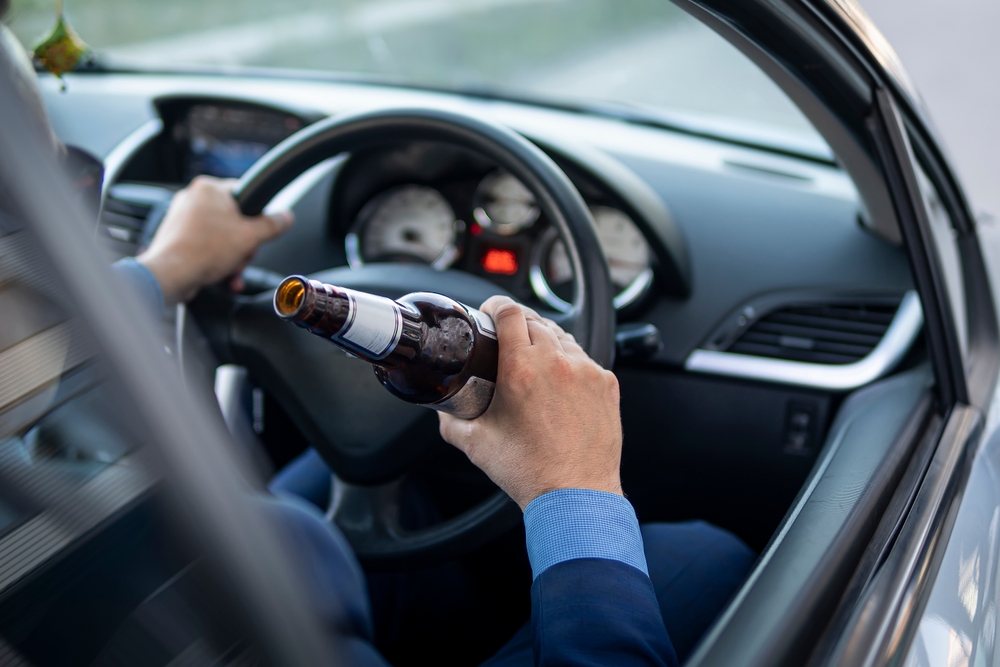
The presence of a third-party defendant with insurance often makes the difference between token compensation and a full recovery, which is one more reason to act well before the shorter deadline.
How Insurers Approach Dram Shop Claims
Commercial general liability policies at restaurants and taverns often carry limits well above the drunk driver's auto policy, which is why a dram shop claim can change what is actually available to an injured family. Those policies are defended closely, and coverage disputes are common. The positions our team most often sees on a drunk driving civil liability claim include:
- Denying the underage element: that the customer appeared to be 21 or produced identification giving the server no reason for suspicion.
- Placing fault on the driver alone: that the driver arrived already intoxicated and the establishment's service did not materially contribute.
- Questioning the evidence chain: challenging surveillance footage, transaction records, or witness testimony.
- Disputing the source or amount: that the driver drank elsewhere, or that one or two drinks could not have caused the impairment.
- Raising the injured person's own conduct, which can reduce recovery under Wisconsin's comparative negligence rules.
Answering those positions starts with preparing every file for trial from day one, which is how our team approaches every drunk driving case tied to a bar or social host.
FAQs: Dram Shop Laws in Wisconsin
Questions surface throughout a dram shop investigation as new evidence and insurance letters arrive. The ones below cover the recurring questions our office fields about dram shop laws Wisconsin enforces and what a third-party claim actually looks like in practice.
Does Wisconsin's Dram Shop Rule Apply to Employer-Sponsored Events?
Yes, but only within Wisconsin's narrow exception. Serving adult employees at a company event generally does not create dram shop liability. If an underage employee, intern, or guest is served, a claim may arise and reach the employer's liability coverage.
What Happens if the Drunk Driver Was Also Underage?
The dram shop claim is often stronger when the underage person who received the alcohol is also the driver who caused the crash. That shortens the chain between the decision to serve the minor and the collision, which is the substantial-factor element the statute requires.
Can I Still Bring a Dram Shop Claim if the Driver's Insurance Already Paid Me?
Yes. A claim against an alcohol provider is separate from the claim against the driver, and settling with the driver's auto insurer does not automatically end it. The release language in that settlement controls the answer, so it should be reviewed before anything is signed.
Does It Matter If the Bar Was Never Cited or Charged?
No. A civil dram shop claim does not depend on the establishment being cited by police or a municipal licensing authority. The civil standard and the regulatory one are decided separately, so a bar that kept its license can still be held responsible in a lawsuit.
Do I Need to Wait Until the Criminal DUI Case Is Resolved?
No. A civil dram shop claim can be filed, investigated, and settled while the criminal case against the driver is still pending. Filing early preserves records at the establishment that would otherwise be lost over the months a prosecution takes.
Bring Lindner Law Into Your Wisconsin Dram Shop Investigation
There are practical reasons to move quickly after a drunk driving wreck that involved a bar, restaurant, or social host. Surveillance video runs on retention windows measured in weeks, servers change jobs, and what is lost that way is rarely recoverable. A same-week call to our office puts preservation letters in the hands of every establishment involved before that happens.
Wisconsin venue rules, set out at Wis. Stat. § 801.50, generally place a dram shop case in the county where the claim arose or where the establishment does substantial business, which for our clients most often means Milwaukee County Circuit Court or Outagamie County Circuit Court. One of the first things we pull is the driver's file on Wisconsin Circuit Court Access, the state's public case record system, because the charging documents and hearing dates there often name the establishment before any discovery starts.
Call our Milwaukee office at (414) 271-5300 or our Appleton office at (920) 882-4860 to speak with our team about your options under the dram shop laws Wisconsin applies. Both lines are staffed around the clock, and a first call is free with no obligation.
At Lindner Law, LLC, you are not just a case number. A founder reviews your file before anyone else acts on it, and that is the same whether your case comes to us from Milwaukee, Appleton, or anywhere else in Wisconsin.